Multi-Protocol Device Integration
Integrates industrial equipment using Digital I/O,RS232, RS485, and WiFi.
CASE STUDY / 03
An end-to-end industrial monitoring platform that connects on-site fuel instrumentation, IoT gateways, cloud services, data storage, and web-based monitoring into a unified system.
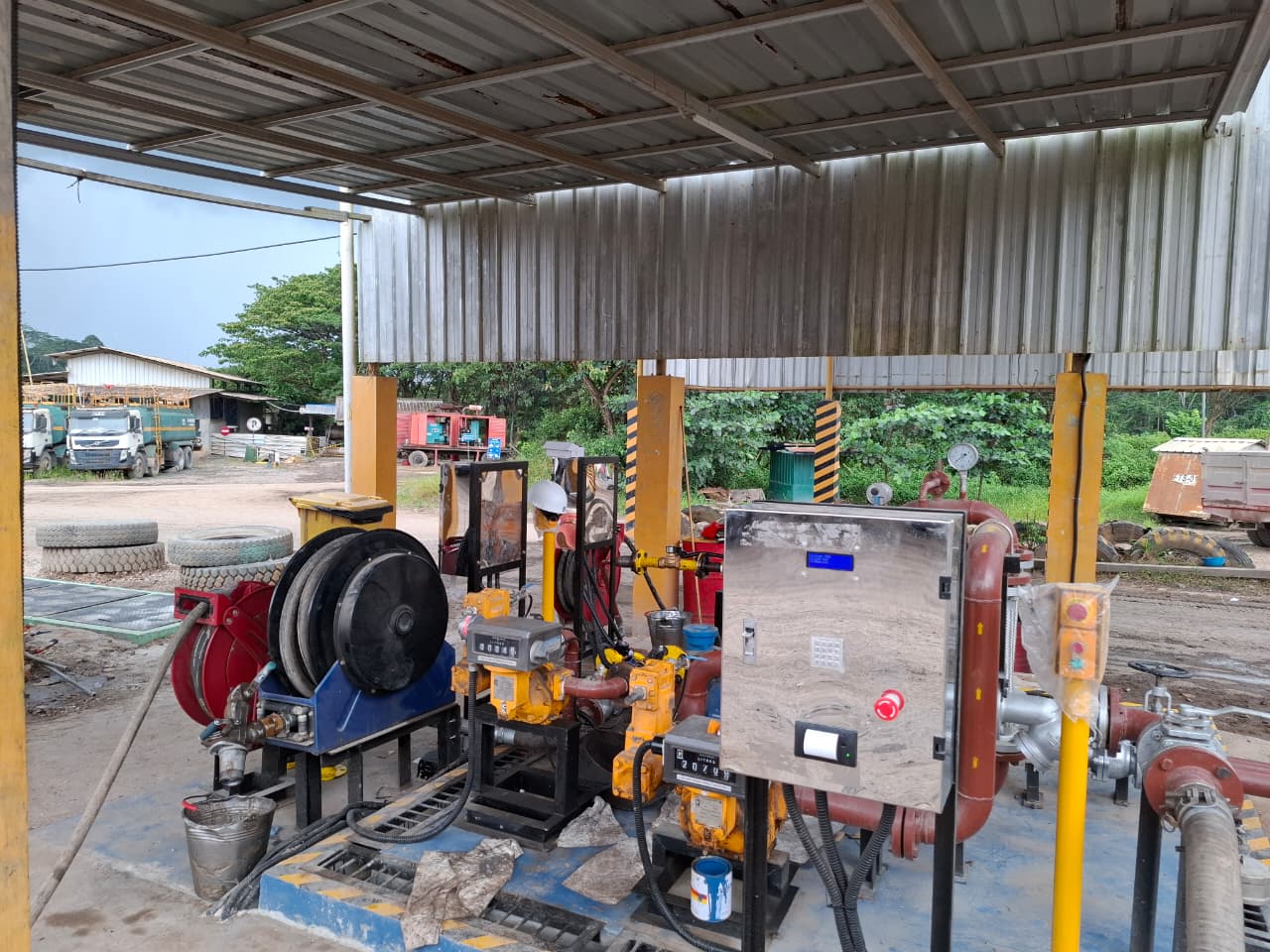
In field fuel dispensing system with ESP32 controller
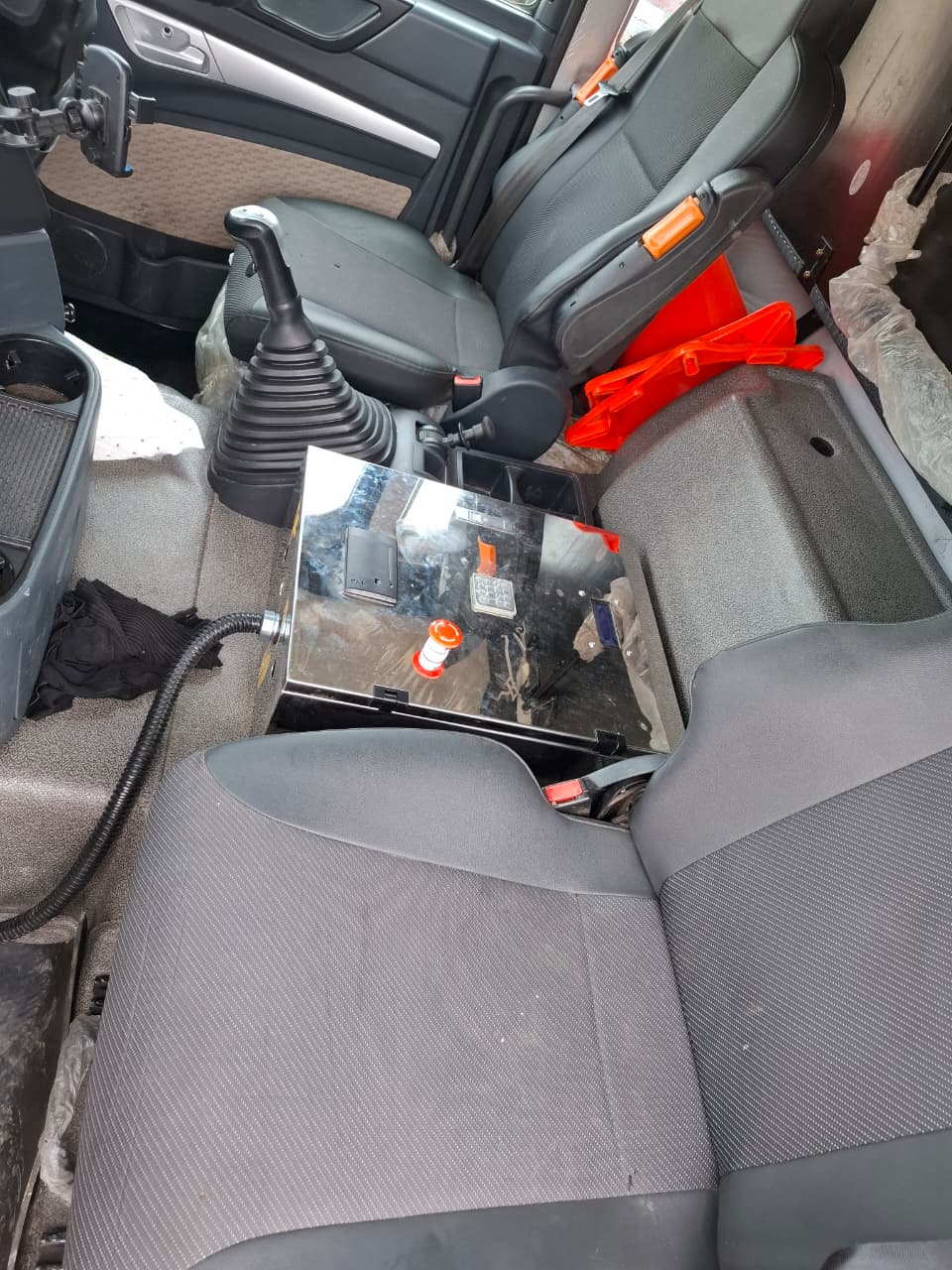
Mobile fuel dispensing system with ESP32 controller
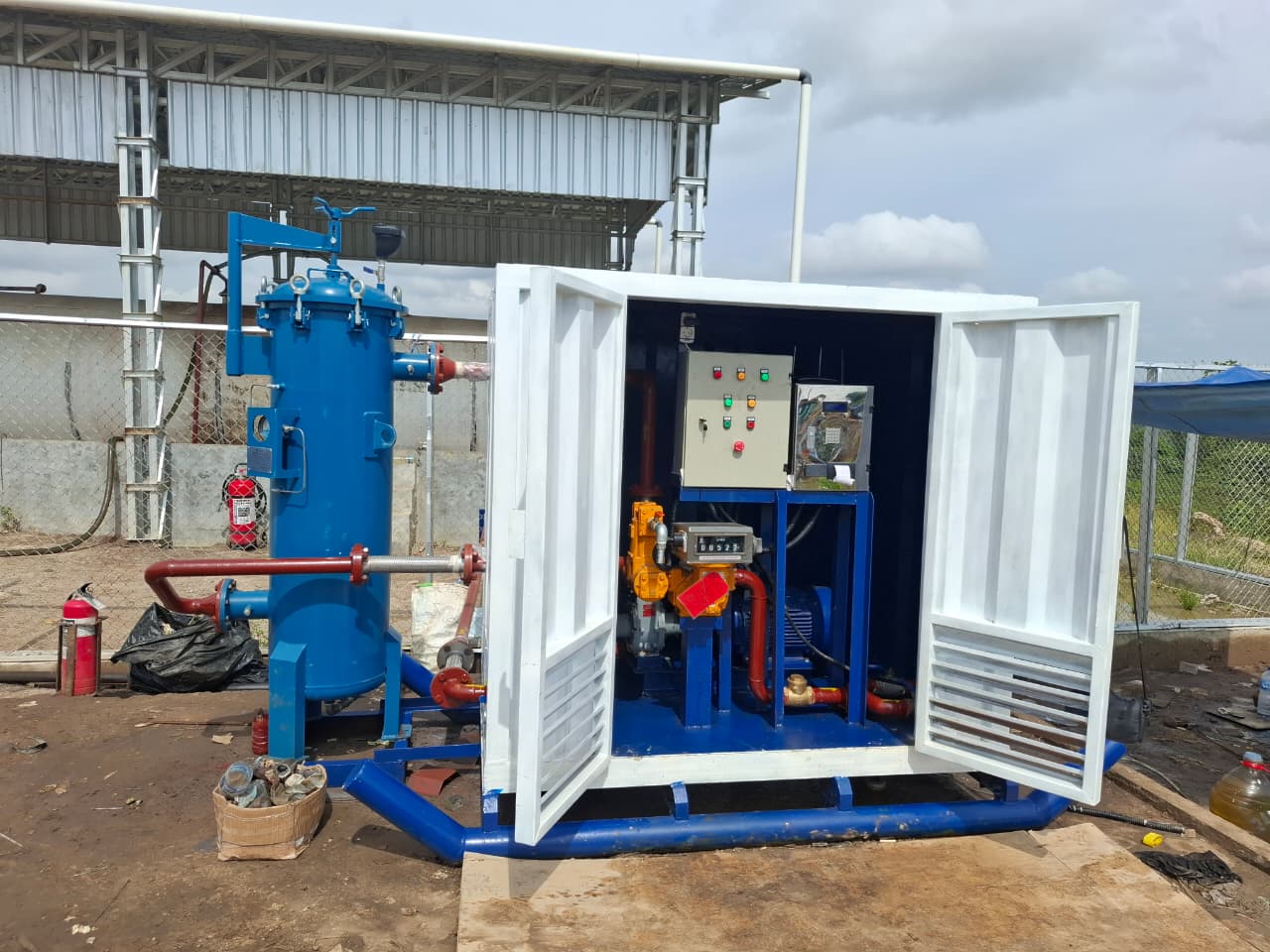
In field fuel dispensing system with ESP32 controller
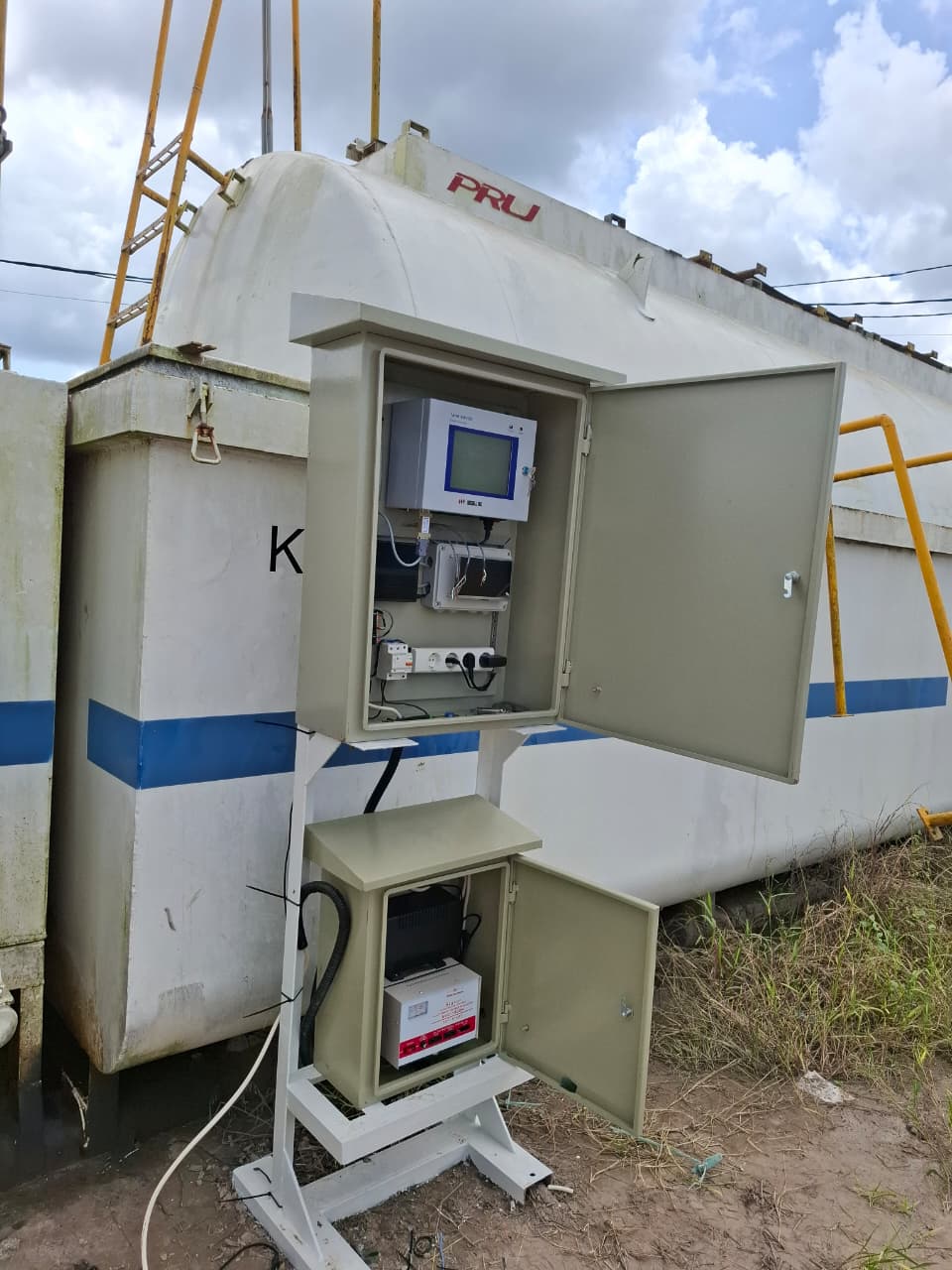
Tank monitoring system
This project is an Industrial IoT platform designed to collect, process, store, and visualize fuel monitoring data from multiple field devices. The system connects flow meters, fuel tank instrumentation, RFID readers, ATG consoles, and fuel dispensing systems to an on-site IoT Gateway. The gateway acts as the bridge between industrial equipment and the cloud platform, providing local data acquisition, temporary storage, and telemetry forwarding. Cloud services then process and distribute the data for storage, application services, and browser-based monitoring.
Industrial fuel operations often involve multiple independent systems and field instruments. Flow measurement, tank levels, user identification, and existing fuel management systems may use different communication interfaces and protocols. Without a unified data pipeline, operational data can become fragmented across local controllers and systems.
Connect flow meters, tank level meters, RFID readers and existing fuel systems through different field interfaces.
Collect operational data from on-site equipment and transmit telemetry to the cloud through the IoT gateway.
Route field data through cloud services for event processing, messaging, storage and backend application services.
Store measurement and transaction data in centralized databases and data storage for monitoring and historical analysis.
SYSTEM DESIGN
An end-to-end industrial IoT architecture connecting field instrumentation, edge data acquisition, cloud processing, and web-based monitoring.
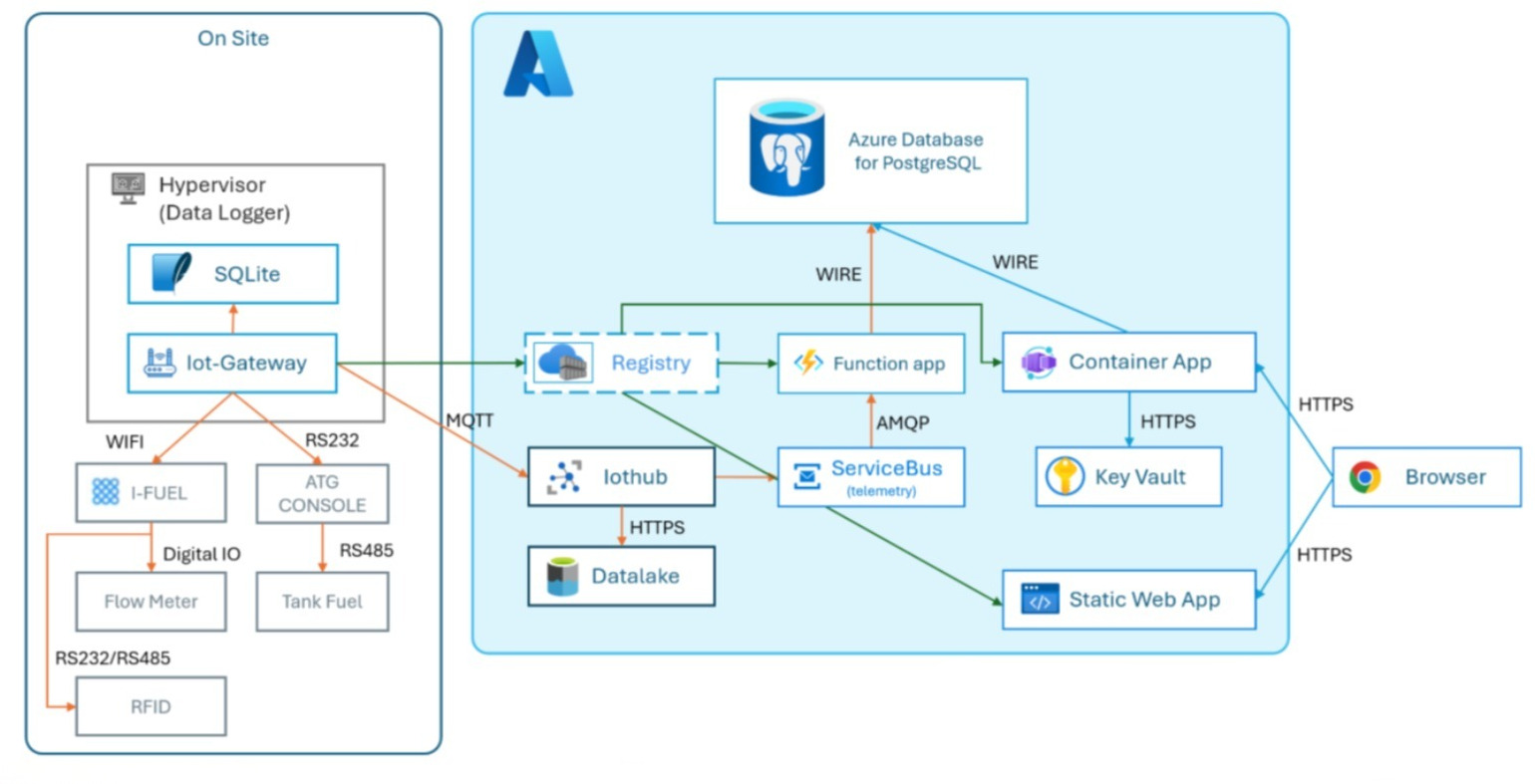
Integrates industrial equipment using Digital I/O,RS232, RS485, and WiFi.
Local SQLite storage provides buffering and historical data logging at the site.
Field data is forwarded from the gateway to Azure IoT Hub for centralized processing.
Azure Functions process incoming telemetry without requiring a continuously running processing server.
Data Lake, PostgreSQL, and Service Bus separate telemetry storage, structured operational data, and application messaging.
Operational data can be accessed through a browser-based monitoring application.
ENGINEERING NOTE
The application architecture separates the operator interface, process data and machine-control responsibilities. This makes the system easier to test, maintain and extend as additional field devices are introduced.