Load Cells integration
Reads measurement values from industrial load cells through Modbus RTU over RS485.
CASE STUDY / 01
A Raspberry Pi based industrial dispensing controller designed to integrate load cells, solenoid valves and pumps with touchscreen HMI into one embedded system.
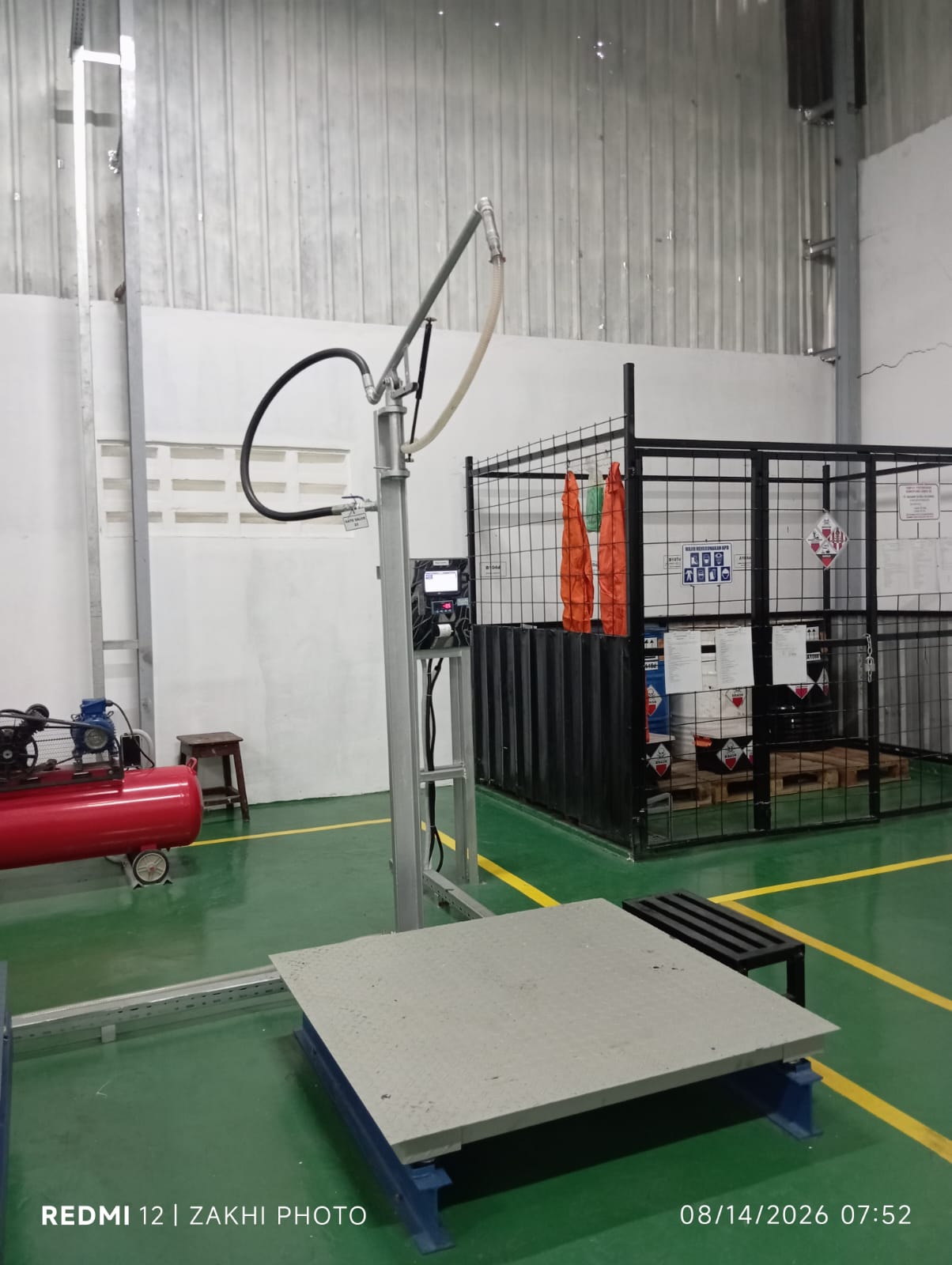
Load Cells controller with touchscreen HMI running on Raspberry Pi
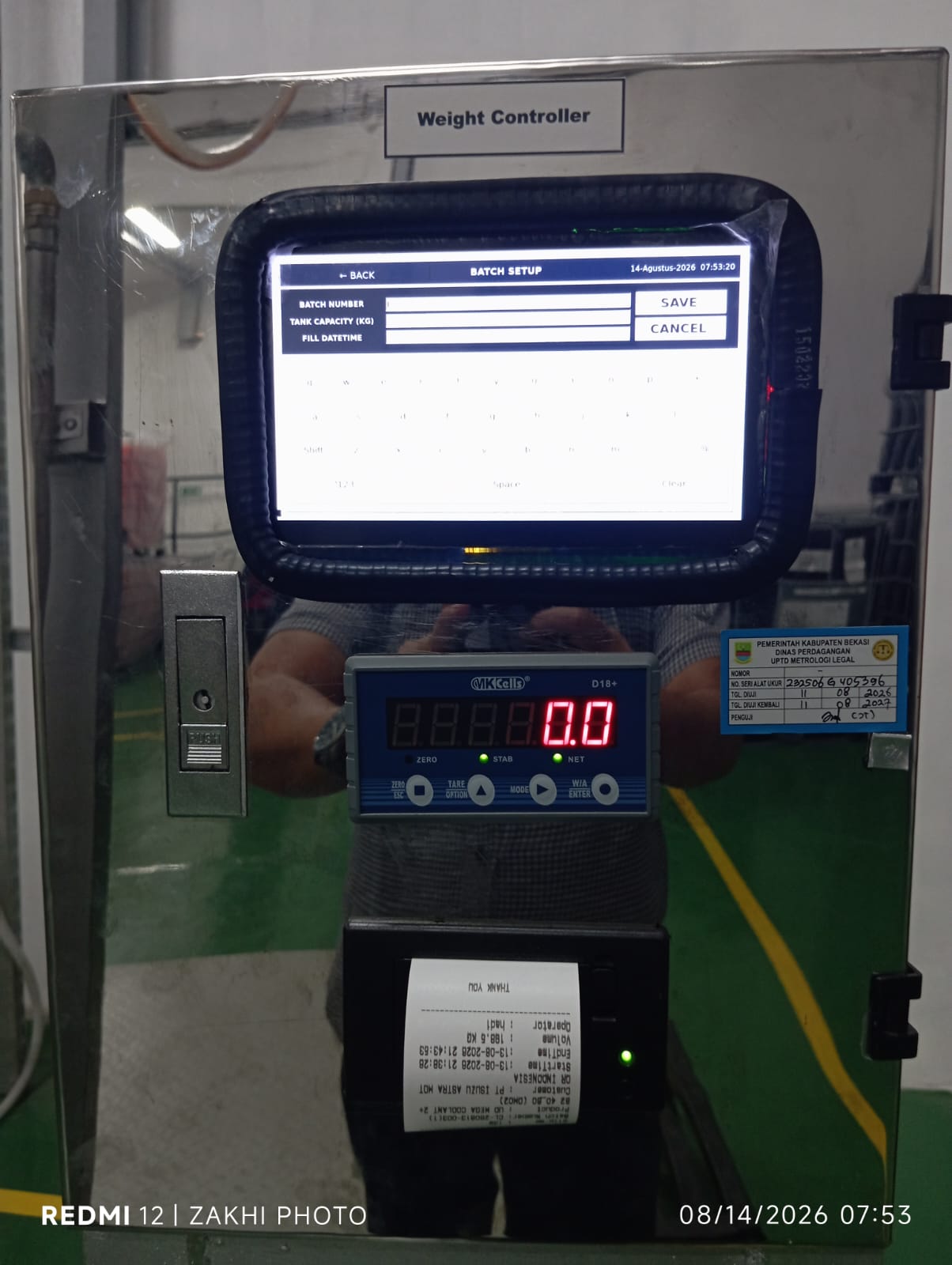
Load Cells controller with touchscreen HMI running on Raspberry Pi
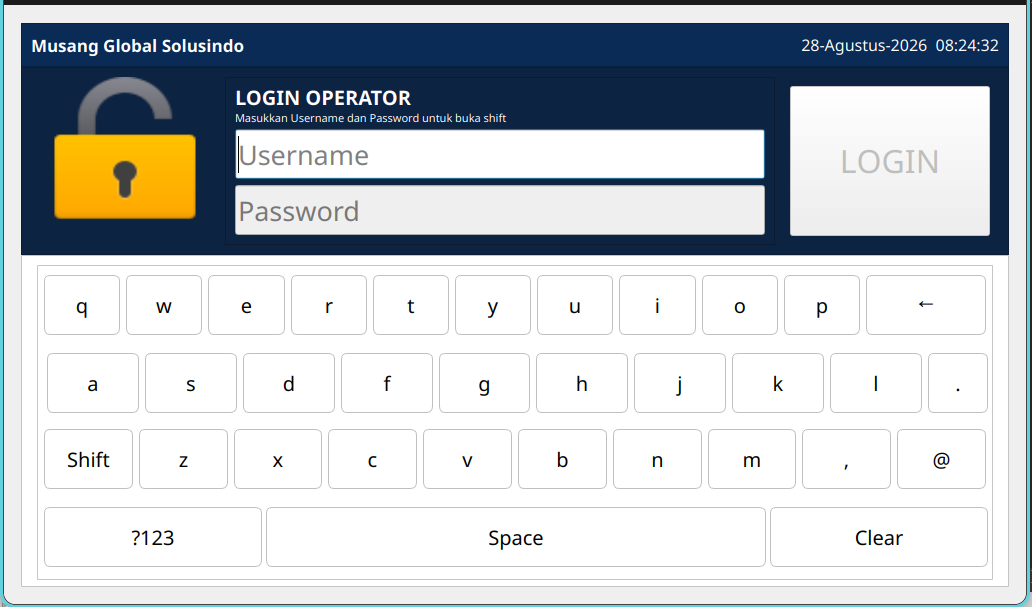
Load cell based weight measurement
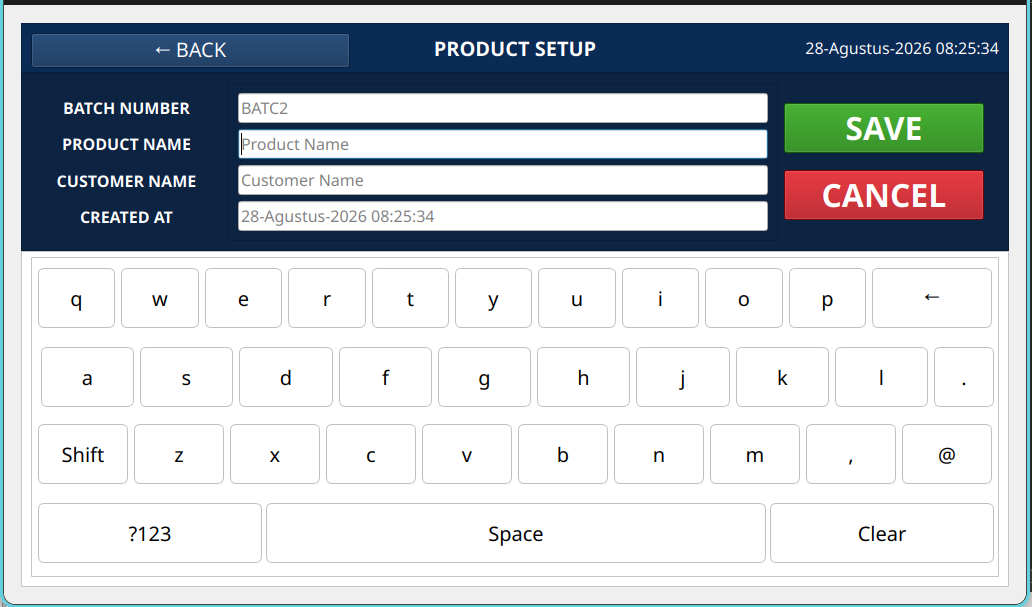
Load cell based weight measurement
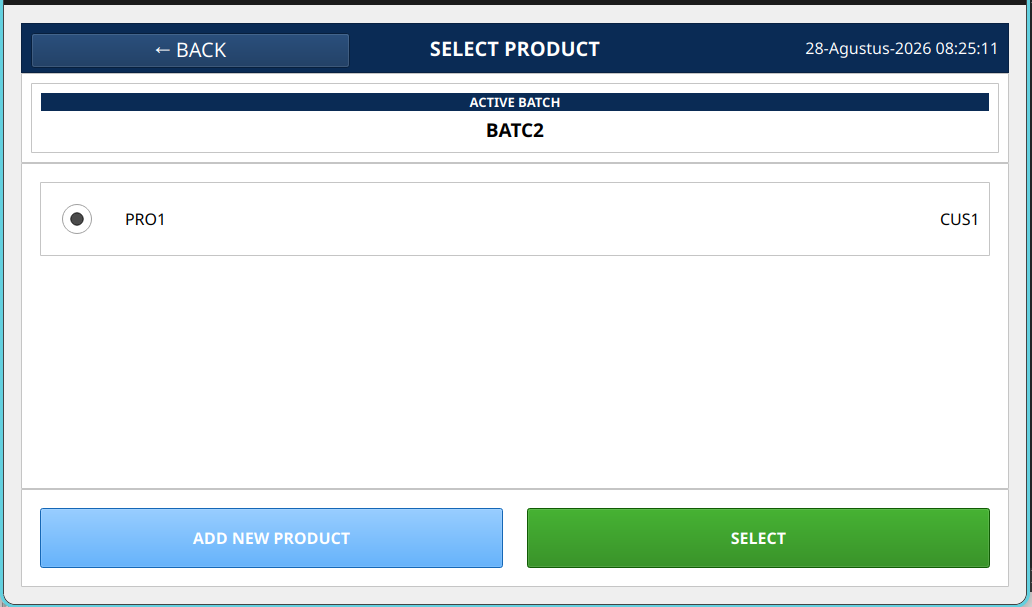
Load cell based weight measurement
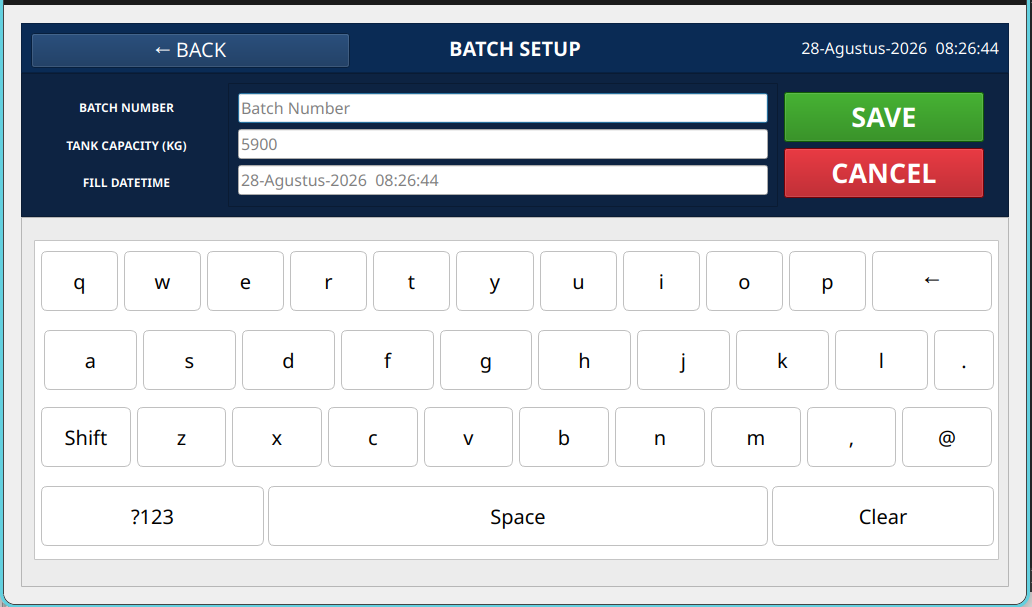
Load cell based weight measurement
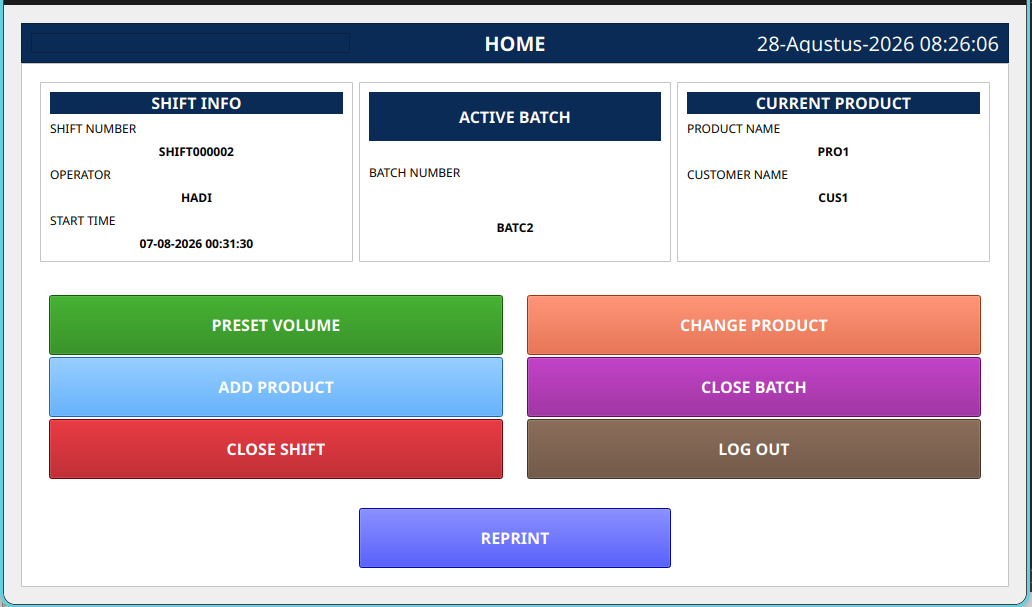
Load cell based weight measurement
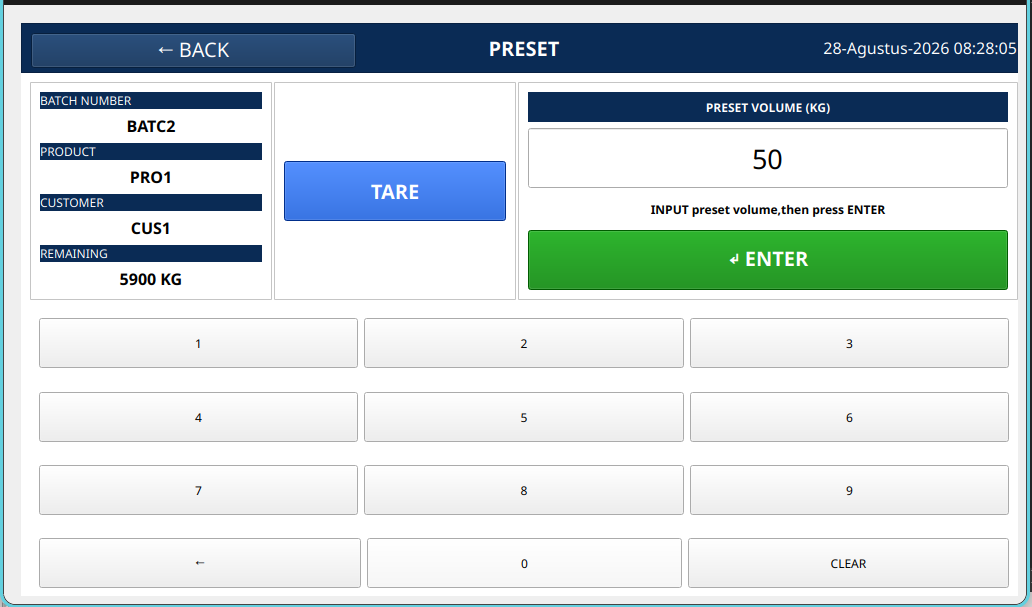
Load cell based weight measurement
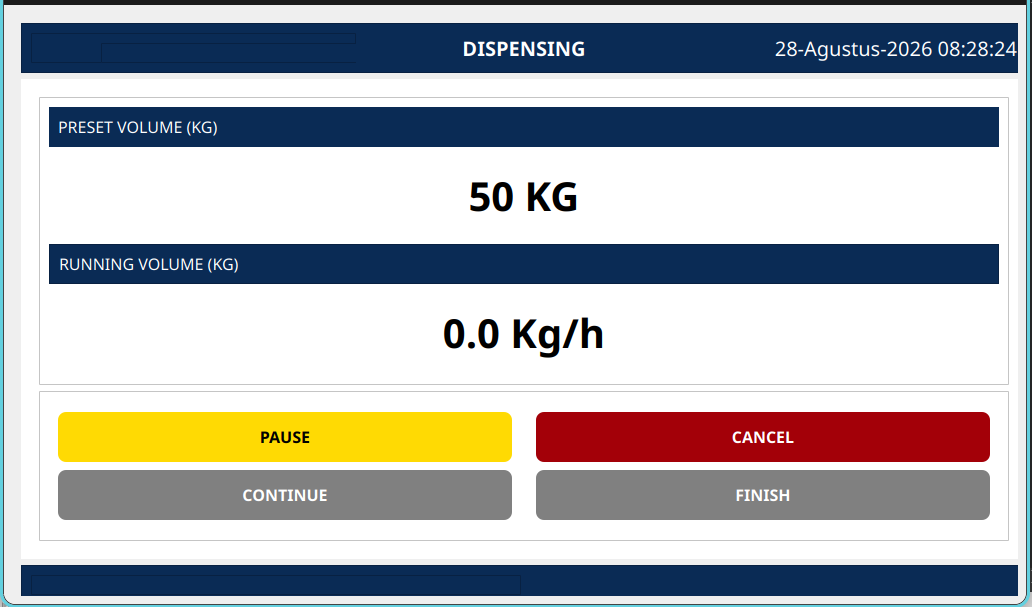
Load cell based weight measurement
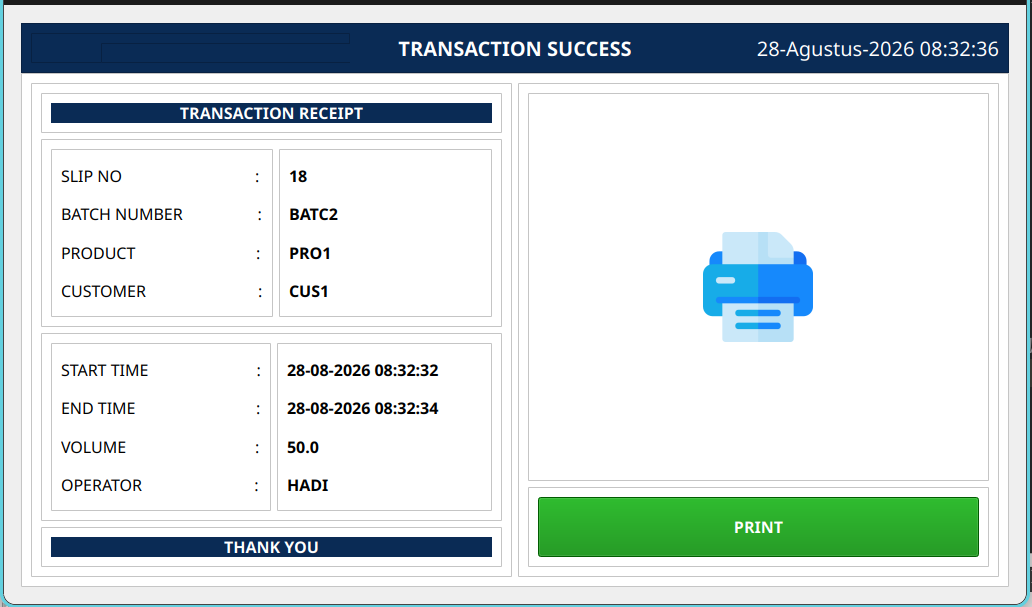
Load cell based weight measurement
The system is an embedded industrial controller for automated liquid dispensing. It combines a touchscreen user interface, load cell communication, GPIO pump and solenoid valve control, transaction management and thermal printing.
The application runs directly on Raspberry Pi with Embedded Linux. Qt and C++ provide the HMI and application logic, while Modbus RTU is used to communicate with the industrial load cells.
The dispensing process requires coordination between instrumentation, valves, pumps and the operator. The controller needs to react to real-time flow conditions while keeping the user interface simple enough for industrial operation.
Accurately measure material weight using load cells for precise dispensing control.
Control high-flow and slow-flow dispensing stages.
Handle no-flow and communication timeout conditions.
Record batch and dispensing information for later use.
SYSTEM DESIGN
The controller sits between industrial field devices, machine actuators and the operator interface.
Reads measurement values from industrial load cells through Modbus RTU over RS485.
Uses high-flow and slowdown thresholds to control the dispensing process.
Coordinates valves and pump outputs through the Raspberry Pi GPIO interface.
Provides a touchscreen interface designed around the operator's workflow.
Stores dispensing transactions and operational data for traceability.
Includes communication and no-flow timeout handling to prevent uncontrolled operation.
ENGINEERING NOTE
The application architecture separates the operator interface, process data and machine-control responsibilities. This makes the system easier to test, maintain and extend as additional field devices are introduced.